

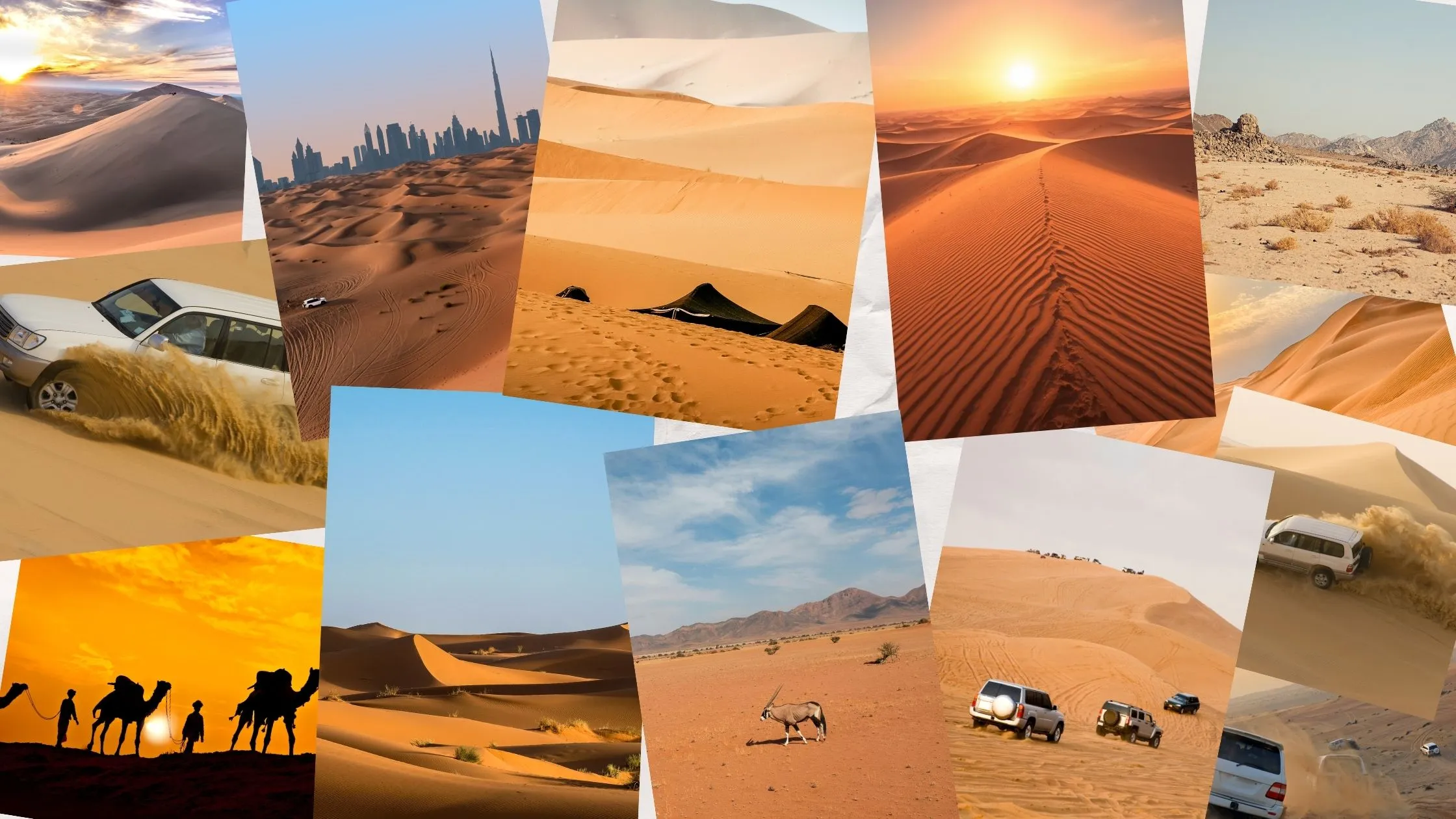
Abu Dhabi’s desert is one of the most beautiful places to take photos. From golden sand dunes to camel rides and starlit skies, the desert offers amazing photography opportunities. If you’re planning a desert safari, you’ll want to know how to capture the perfect shot. Whether you’re using a smartphone or a professional camera, this guide will help you take stunning photos during your desert adventure.
Table of Contents
Best Time to Take Photos in the Desert
The best time for photography in the desert is during the golden hour. This is the time shortly after sunrise and just before sunset when the light is soft and warm, creating beautiful tones. The sun is lower in the sky, which means it doesn’t create harsh shadows, giving your photos a nice, smooth look.
During the middle of the day, the sun is very bright and can make the desert look washed out, which is not ideal for photos. So, make sure to plan your photography around sunrise or sunset to get the best shots.
Essential Gear for Desert Safari Photography
To take great photos in the desert, you don’t need expensive gear, but having the right equipment can make a big difference.
- Camera: A DSLR or mirrorless camera is best for high-quality photos, but a good smartphone with a decent camera can also work.
- Lenses: A wide-angle lens is great for capturing the vastness of the desert and the dunes. If you’re planning to photograph wildlife or people from a distance, a zoom lens might come in handy.
- Tripod: A tripod helps you take steady shots, especially if you’re taking pictures at sunset or night.
- Filters: A polarizing filter can help reduce glare from the sand and make the colors pop.
- Lens Protection: Sand and dust are everywhere in the desert, so use a lens cloth to keep your lens clean.
Photography Composition Tips
Great composition is key to taking beautiful photos. Here are some tips:
- Rule of Thirds: Imagine your photo divided into three equal parts both vertically and horizontally. Place important elements like dunes, camels, or people along these lines to create a more balanced photo.
- Leading Lines: The dunes in the desert often have natural curves that can lead the viewer’s eye through the photo. Use these lines to guide the viewer’s focus.
- Add Interest: If you’re taking wide shots of the desert, include something in the foreground, like a camel or a person, to show the scale of the vast desert landscape.
- Focus on Details: Sometimes, focusing on the smaller things like the texture of the sand, the patterns in the dunes, or the footprints left behind can make for amazing photos.
Best Desert Photography Spots in Abu Dhabi
Abu Dhabi is home to several stunning desert spots where you can take amazing photos:
- Liwa Desert: Known for its vast, golden dunes, this is one of the most scenic spots for photography.
- Rub’ al Khali (Empty Quarter): This is the largest sand desert in the world and offers endless dunes perfect for wide, dramatic shots.
- Al Marmoom Desert Conservation Reserve: A great place for desert wildlife photos, like Arabian oryx or gazelles, as well as stunning desert landscapes.
How to Photograph Camel Rides and Bedouin Experiences
Camels are one of the most iconic symbols of the desert. Capturing camel rides is a great way to add a unique element to your photos. Here’s how:
- Action Shots: To photograph a camel ride, try to shoot from the side as the camel is walking. This will show the movement and help create a dynamic image.
- Portraits: For portraits, take photos of people riding camels with the desert dunes in the background. A shallow depth of field will help keep the person in focus while blurring the background.
- Bedouin Culture: You can also capture the traditional Bedouin camps in the desert. A photo of someone wearing traditional Arabic clothing, standing or sitting against the desert landscape, adds an authentic touch to your safari album.
Photographing Desert Wildlife
The desert isn’t just sand—it’s also home to many animals. You can photograph creatures like Arabian oryx, gazelles, and desert foxes. Here are some tips:
- Use a Telephoto Lens: Wildlife photography often requires you to keep a distance from the animals, so a telephoto lens is perfect for getting close-up shots without disturbing them.
- Be Patient: Wildlife photography requires patience. Spend time observing animals before taking your shot, and try to capture them in action—whether they’re running, eating, or resting.
How to Photograph the Stars at Night
One of the best things about the desert is the clear, pollution-free sky. This makes it perfect for night sky photography, especially if you’re looking to capture star trails or the Milky Way.
- Use a Tripod: A tripod is essential for long-exposure shots of the stars.
- Camera Settings: Set your camera to a long exposure (20–30 seconds), use a wide aperture (f/2.8 or lower), and adjust your ISO between 1600 and 3200 depending on the lighting conditions.
- Focus on the Stars: Focus your camera on a distant light or the stars to ensure they are sharp.
Tips for Photography Beginners
If you’re new to photography, here are some beginner-friendly tips to help you capture great shots in the desert:
- Shoot in Manual Mode: This gives you full control over your camera settings, letting you adjust for the lighting conditions in the desert.
- Camera Settings: Use a low ISO (100-200) to avoid grainy photos, especially during the day. For sunset or nighttime shots, increase the ISO.
- Don’t Forget to Clean Your Lens: Sand can get everywhere, so make sure your lens is clean before taking any shots.
- Take Multiple Shots: The desert can look different from various angles. Take several shots to ensure you get the perfect one.
Common Mistakes to Avoid
Here are some common mistakes to avoid when photographing the desert:
- Overexposing Your Photos: The desert sun can be bright, so make sure to adjust your exposure settings. If your photos are too bright, details will be lost.
- Not Checking Your Horizon: A tilted horizon can ruin an otherwise great photo. Always make sure your camera is level.
- Ignoring Lens Protection: The desert is dusty, and sand can damage your camera gear. Always use lens covers and be cautious when changing lenses.
Key Takeaways
Golden Hour is Key: The best time for desert photography is during sunrise and sunset, when the light is soft and warm, creating the perfect conditions for stunning photos.
Essential Gear: You don’t need expensive equipment, but a good camera, wide-angle lens, tripod, and lens protection are essential for capturing the desert’s beauty.
Composition Matters: Use the rule of thirds, leading lines, and focus on details like camel rides, sand patterns, and desert wildlife to create visually appealing images.
Capture the Desert’s Essence: From dramatic landscapes and camel rides to starlit skies and desert wildlife, the desert offers a wide range of photography opportunities for every type of traveler.
Planning Makes Perfect: Understanding the best time to shoot, the right camera settings, and how to protect your gear from sand and dust can help you get the most out of your desert photography experience.
Conclusion
Capturing the perfect desert safari photos in Abu Dhabi is all about timing, the right gear, and knowing how to compose your shots. With the tips shared in this blog, you’re ready to take stunning photos of the golden dunes, camels, desert wildlife, and starry skies. Whether you’re a beginner or an experienced photographer, these simple techniques will help you create lasting memories of your desert adventure. Don’t forget to share your favorite shots and enjoy the beauty of Abu Dhabi’s desert safari!
